
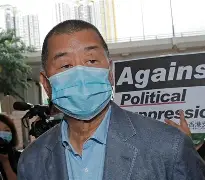
Jimmy Lai National Security Trial Closing Arguments
The trial of Jimmy Lai, Hong Kong’s most prominent pro-democracy media tycoon and activist, has reached a pivotal stage as closing arguments are now under way. This landmark case, closely watched by international observers, human rights advocates, and governments worldwide, is widely seen as a defining test of Hong Kong’s judicial independence under Beijing’s sweeping National Security Law (NSL).
For Lai, the 76-year-old founder of Apple Daily and one of the most recognizable faces of Hong Kong’s pro-democracy movement, the outcome of this trial carries life-altering consequences. For Hong Kong and China, it carries political and global implications that reach far beyond a single individual.
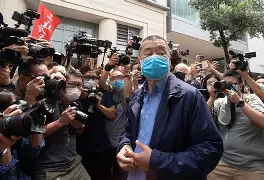
This article will provide a comprehensive overview of the trial, explore the key arguments presented during the closing stages, assess the legal and political significance of the case, and consider what it means for the future of Hong Kong’s freedoms and international reputation.
Background: Who Is Jimmy Lai?
Jimmy Lai Chee-ying is a media entrepreneur and democracy advocate who rose from humble beginnings. Born in mainland China, he fled to Hong Kong as a child and worked his way up from a factory job to become a successful businessman, founding the popular clothing retailer Giordano and later turning his attention to media.
In 1995, Lai established Apple Daily, a tabloid-style newspaper known for its outspoken criticism of the Chinese Communist Party (CCP) and unwavering support for Hong Kong’s democracy movement. Over the years, Apple Daily became one of the most influential papers in the territory, but also one of the most controversial from Beijing’s perspective.
Lai was arrested multiple times for his political activities, and with the introduction of the National Security Law in 2020, authorities escalated charges against him. Apple Daily was raided by police in 2021 and forced to close after its assets were frozen, marking the end of an era for Hong Kong’s free press.
The Charges
Lai faces multiple counts under the National Security Law, including:
Collusion with Foreign Forces – Accusations that Lai called for foreign governments to impose sanctions on Hong Kong and China, allegedly endangering national security.
Conspiracy to Publish Seditious Materials – Linked to his leadership role at Apple Daily, which regularly published pro-democracy and anti-Beijing content.
Conspiracy to Commit Collusion – Tied to his international advocacy work, including meetings with foreign officials and op-eds in global newspapers.
If convicted, Lai could face a sentence of life imprisonment.
Closing Arguments: The Prosecution’s Case
In their closing arguments, prosecutors painted Lai as the central figure in what they called a deliberate campaign to undermine Hong Kong’s stability and China’s sovereignty.
Foreign Collusion Allegations: Prosecutors emphasized Lai’s alleged connections with U.S. and U.K. officials, arguing that his appeals for sanctions amounted to collusion with foreign powers. They presented articles, interviews, and social media posts as evidence of this intent.
Apple Daily’s Role: They argued that Apple Daily was more than just a newspaper—it was a platform deliberately designed to incite unrest and encourage international pressure against China.
National Security Framework: Prosecutors repeatedly stressed that Hong Kong is constitutionally obligated to protect national security and that Lai’s actions directly contravened the NSL.
Their argument sought to frame Lai not as a journalist or activist but as a political agitator who crossed legal boundaries.
Closing Arguments: The Defense’s Case
Lai’s legal team, however, pushed back strongly, arguing that the prosecution’s case is fundamentally flawed.
Freedom of Expression: The defense maintained that Lai’s writings, speeches, and activities fell squarely within the bounds of free expression and journalism. Calling for international support, they argued, is not equivalent to collusion or espionage.
Political Persecution: They contended that the charges are politically motivated, aimed at silencing one of Beijing’s fiercest critics and setting a chilling precedent for others.
Insufficient Evidence: The defense challenged the prosecution’s evidence as circumstantial, noting that meeting foreign officials and publishing editorials are common activities for media professionals worldwide.
Lai himself has consistently maintained his innocence, declaring that he has only ever acted out of love for Hong Kong and a commitment to democracy.
International Reactions
The trial has sparked condemnation from international governments, NGOs, and press freedom organizations.
Human Rights Groups: Organizations like Amnesty International and Reporters Without Borders have criticized the trial as a “showcase of repression,” warning that it sets a dangerous precedent for journalists globally.
China’s Response: Beijing has dismissed these criticisms as foreign interference, reiterating that the NSL is a legitimate tool to safeguard national security.
Why This Case Matters
The Jimmy Lai trial has become more than just a legal proceeding; it is symbolic of the broader transformation of Hong Kong since the introduction of the National Security Law.
Judicial Independence: Observers argue that the outcome will reveal whether Hong Kong’s courts retain any autonomy or whether they are fully aligned with Beijing’s political agenda.
Global Signal: The case sends a message to activists, journalists, and business leaders in Hong Kong and beyond about the risks of challenging Beijing.
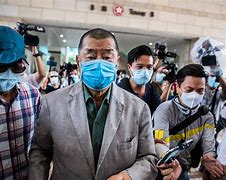
Public Sentiment in Hong Kong
Reactions within Hong Kong remain divided.
Pro-Democracy Supporters: Many see Lai as a hero who sacrificed his freedom to defend Hong Kong’s rights. Vigils, quiet gatherings, and online campaigns continue to support him despite restrictions.
Pro-Beijing Voices: Others argue that Lai endangered Hong Kong by inviting foreign interference and believe the trial is necessary to restore order.
The Silent Majority: A large portion of the population remains cautious, wary of expressing views openly given the legal risks under the NSL.
Potential Outcomes
The court’s decision will likely come in the coming months, but possible outcomes include:
Conviction and Life Sentence: The harshest outcome, consistent with the penalties allowed under the NSL.
Partial Conviction: Lai could be found guilty on some charges but not all, potentially reducing his sentence.
Acquittal: Though considered unlikely, an acquittal would be a seismic shock, raising questions about the NSL’s application.
Broader Implications
For Hong Kong: The case reinforces the city’s shift from an open society to one tightly controlled by Beijing, impacting its status as a global financial hub.
For China: A conviction strengthens Beijing’s narrative of sovereignty and control but risks further alienating international partners.
For Global Press Freedom: Lai’s trial is seen as part of a wider crackdown on media and dissent worldwide, fueling concerns about authoritarianism’s global rise.
Conclusion
As closing arguments conclude in Jimmy Lai’s landmark national security trial, the world awaits a verdict that will resonate far beyond Hong Kong. For Lai, it may determine the rest of his life. For Hong Kong, it represents a definitive moment in its struggle between authoritarian control and democratic aspirations.
The trial has crystallized the fears of many who warned that the National Security Law would erode freedoms in the territory. Whether Lai is convicted or acquitted, the symbolism of his prosecution will continue to shape global perceptions of Hong Kong and China’s commitment to human rights.
In the end, Jimmy Lai’s case is not only about one man. It is about the future of free expression, the role of independent media, and the resilience of democratic ideals in the face of sweeping political change.


One thought on “Jimmy Lai national security trial closing arguments”