
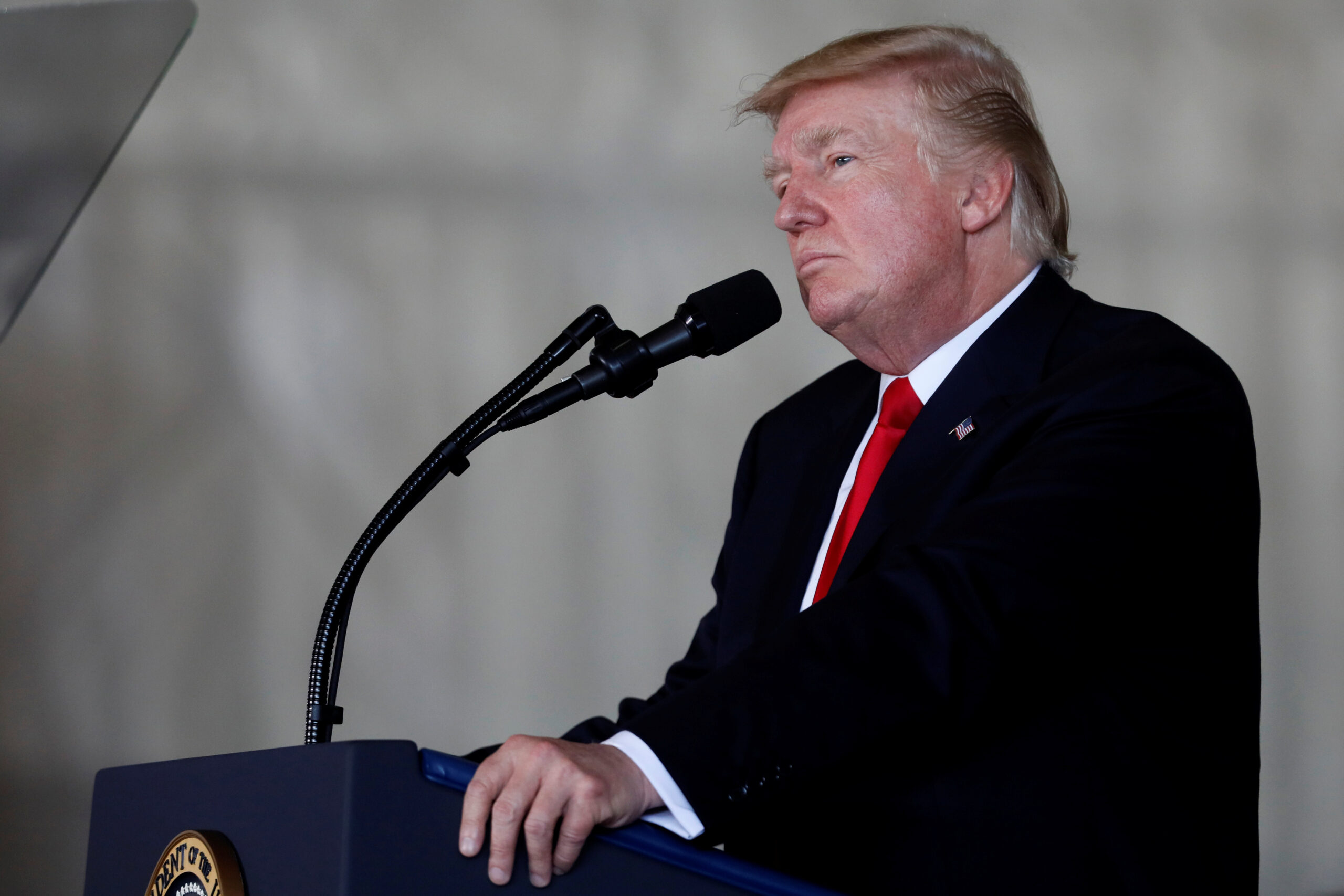
Russia Strikes Reported and Trump Hand Claims Disproved
Introduction
In a fast-moving week of international news, two seemingly unrelated stories have dominated headlines: fresh reports of Russian strikes inside its own territory and the viral disproval of a misleading claim about Donald Trump’s hand. Together, these stories illustrate both the volatility of geopolitics and the influence of misinformation in the digital age.
The first story reflects the dangerous escalation of the war in Ukraine, where strikes have begun crossing borders, testing Russia’s defensive posture and reshaping the battlefield. The second story underscores the growing role of artificial intelligence, doctored media, and political rumor-mongering in shaping public opinion—this time focused on the former U.S. president and current Republican frontrunner.
This article examines both developments in detail, analyzing their implications for global security, democracy, and media credibility.
Part I: New Strikes Reported Inside Russia
Expanding Scope of the Ukraine Conflict
Since Russia launched its full-scale invasion of Ukraine in February 2022, the fighting has largely concentrated on Ukrainian territory. However, in recent months, strikes inside Russia have become more frequent, signaling that the war is no longer confined to Ukrainian soil.
According to multiple reports from both Western intelligence sources and Russian regional officials, a series of explosions were heard inside Russian border towns, damaging infrastructure and sowing panic among civilians. Some of the areas reportedly hit include Belgorod, Bryansk, and Kursk regions—territories often used by Russian forces as staging grounds for attacks on Ukraine.
These strikes, though limited in scale compared to Russia’s assaults on Ukrainian cities, carry enormous symbolic weight. They show Ukraine’s ability to project power beyond its borders, challenging Russia’s narrative that the war is a contained “special military operation.”
Ukrainian Strategy
Ukraine has not always publicly claimed responsibility for these incidents, often maintaining a policy of strategic ambiguity. However, senior Ukrainian officials have hinted that such actions are part of a broader strategy to:
Undermine Russian morale.
Force Moscow to divert air defenses and resources away from the Ukrainian frontlines.
Send a clear signal that Russia is not untouchable.
Military analysts believe that Kyiv is deploying drones, sabotage teams, and possibly longer-range Western-supplied weapons to conduct these operations.
Russia’s Response
The Kremlin has condemned the strikes as “terrorist acts” orchestrated by Ukraine with NATO backing. Russian state media has played up the narrative of “Western involvement” to justify tighter security measures and continued military escalation.
Local governors have confirmed civilian casualties and property damage, though independent verification remains difficult. Russia has also responded with new waves of missile and drone attacks on Ukrainian cities, including Kyiv, Kharkiv, and Odesa.
International Reaction
Western governments have walked a fine line in responding. While the U.S. and NATO allies officially restrict the use of their weapons inside Russian territory, many leaders privately acknowledge that strikes within Russia weaken Moscow’s war machine.
European officials, especially in Poland and the Baltic states, have defended Ukraine’s right to hit back, arguing that “if Russia can bomb Kyiv, Ukraine has every right to respond in kind.”
Part II: Disproving Claims About Trump’s Hand
The Viral Image
In parallel with these geopolitical developments, an unusual story about Donald Trump’s hand exploded online. Social media users shared an image purportedly showing Trump’s hand swollen, discolored, or otherwise unusual, with speculation ranging from health problems to bizarre conspiracy theories about artificial manipulation.
The photo, which circulated widely on platforms like X (formerly Twitter), Truth Social, and Telegram, quickly became the subject of memes, jokes, and political commentary. Critics of Trump claimed it was evidence of declining health, while supporters dismissed it as doctored.
Fact-Checking the Image
Independent fact-checkers and media verification teams moved swiftly to investigate. Using reverse-image search, metadata analysis, and AI detection tools, they concluded that the image was digitally altered.
The original photo came from a rally appearance, where Trump was waving to supporters. Analysts found that the viral version had been modified using AI tools to exaggerate the size and color of his hand.
Organizations like Reuters, AP Fact Check, and independent digital verification collectives released statements confirming that the viral “Trump hand” image was not authentic.
The Role of AI in Misinformation
This incident highlights a broader concern: the rapid rise of AI-generated misinformation. With tools like MidJourney, Stable Diffusion, and other deepfake platforms, it has become increasingly easy to manipulate images and videos.
Experts warn that the spread of such false content can:
Mislead voters during an election cycle.
Distract from substantive policy debates.
Erode public trust in media and institutions.
The Trump hand controversy may seem trivial, but it underscores how easily falsehoods can gain traction in today’s media ecosystem.
Part III: Comparing the Two Stories
Yet they both illustrate how conflict and information warfare play out in modern society.
On the battlefield: Ukraine is extending the reach of its war into Russia, challenging narratives and reshaping perceptions of the conflict.
In the media sphere: Trump’s digitally altered hand shows how information can be weaponized, whether to mock, mislead, or manipulate.
Both stories highlight the importance of verification, transparency, and critical thinking—whether in analyzing war reports or viral memes.
Broader Implications
For Security and Geopolitics
The escalation of strikes inside Russia raises serious concerns about the potential for wider conflict. NATO allies fear that Moscow could interpret these attacks as justification for expanding the war, possibly even into NATO territory. At the same time, Ukraine views them as necessary to weaken Russia’s war machine.
For Media and Democracy
The Trump hand story, though less globally consequential, speaks volumes about the fragility of information ecosystems. In a world where AI tools are easily accessible, false images can circulate faster than truth. For democracies, especially during election cycles, this poses a direct threat to informed decision-making.
Intersection of Technology and Politics
Both developments are shaped by technology: drones, precision-guided weapons, and satellite intelligence on the battlefield; AI, social media, and digital platforms in the information war.
Expert Perspectives
Military Analysts: Stress that strikes inside Russia, though limited, could alter Moscow’s calculus and force it to commit more resources to defense rather than offense.
Political Scientists: Warn that AI-driven misinformation, like the Trump hand photo, could undermine democratic discourse in upcoming elections.
Media Experts: Urge social media platforms to strengthen detection systems and provide clearer warnings when manipulated content spreads.
Conclusion
The week’s headlines—new Russian strikes reported inside its own territory and the disproving of claims about Trump’s hand—may seem disparate, but they both reveal deeper truths about the modern world.
The Ukraine conflict shows no signs of abating, and its reach is expanding into Russia itself, testing Moscow’s resilience and Western patience. Meanwhile, the Trump misinformation saga underscores how fragile truth has become in the digital era.
Together, these stories remind us that both bombs and bytes shape today’s realities. Wars are fought not only with weapons but also with images, narratives, and ideas. In this environment, vigilance—on the battlefield and online—is more crucial than ever.
http://Russia strikes reported and Trump hand claims disproved


One thought on “Russia strikes reported and Trump hand claims disproved”