
10 Brilliant Small Living Room Decorating Ideas to Maximize Space
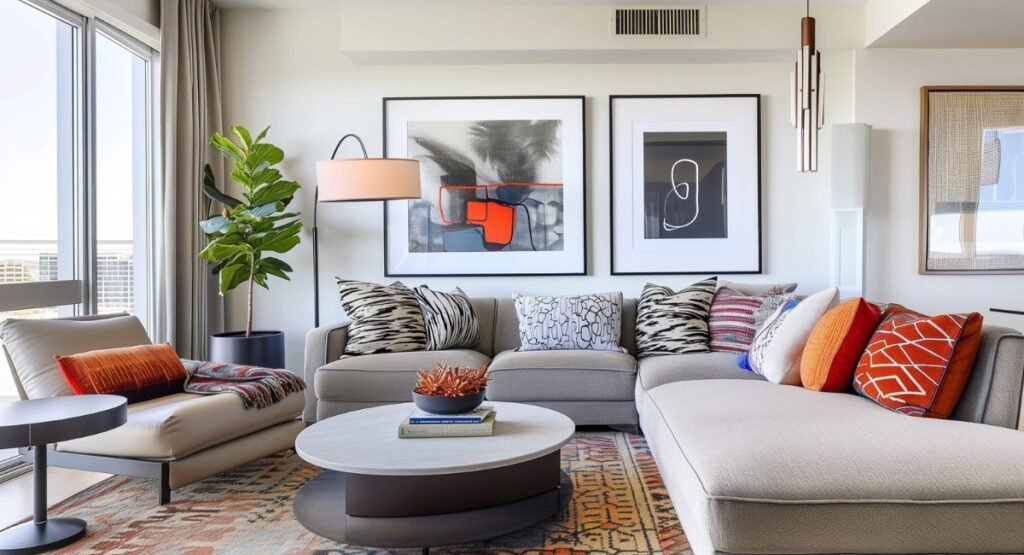
10 Small Living Room Decorating Ideas to Make Your Space Feel Bigger
Quick Answer
The best small living room decorating ideas focus on using space wisely through smart furniture choices, proper lighting, vertical storage, mirrors, and a balanced color palette. Small rooms can feel larger and more comfortable when every piece has a purpose, and the layout allows easy movement.
Introduction
Decorating a small living room can feel challenging. You want the space to look stylish, but you also need it to feel open, comfortable, and practical. Many homeowners and renters in the USA face the same problem: limited square footage with too many things to fit.
The good news is that a small living room does not need expensive renovations to look impressive. The right furniture arrangement, colors, lighting, and decorative choices can completely change how your space feels.
A well-designed small living room can actually feel warmer and more inviting than a large empty room. The key is understanding how to create balance between function and style.
Whether you live in a city apartment, a small home, or want to improve a compact family room, these 10 small living room decorating ideas will help you create a beautiful space without making it feel crowded.
What Makes a Small Living Room Difficult to Decorate?
A small living room usually has three main challenges:
Limited floor space
Lack of storage
Difficulty choosing the right furniture size
Large sofas, oversized tables, and too many decorations can quickly make a room feel smaller. On the other hand, an empty room without personality can feel uncomfortable.
The goal is not to remove everything. The goal is to choose items that add comfort while keeping the room visually balanced.
1. Choose Furniture That Fits Your Space
Why is furniture size important in a small living room?
Furniture scale plays a major role in how spacious a room appears. Large furniture can dominate a small area, while properly sized pieces create better flow.
Instead of choosing oversized sectionals, consider:
Compact sofas
Loveseats
Apartment-sized couches
Slim chairs
Furniture with raised legs
Furniture with visible legs creates more open space because you can see more of the floor underneath.
For example, a small modern sofa paired with a narrow coffee table can create a comfortable seating area without blocking movement.
Expert Tip
Before buying furniture, measure your living room carefully. Consider walking paths, door openings, and how much space you need around each item.
2. Use Mirrors to Create the Illusion of More Space
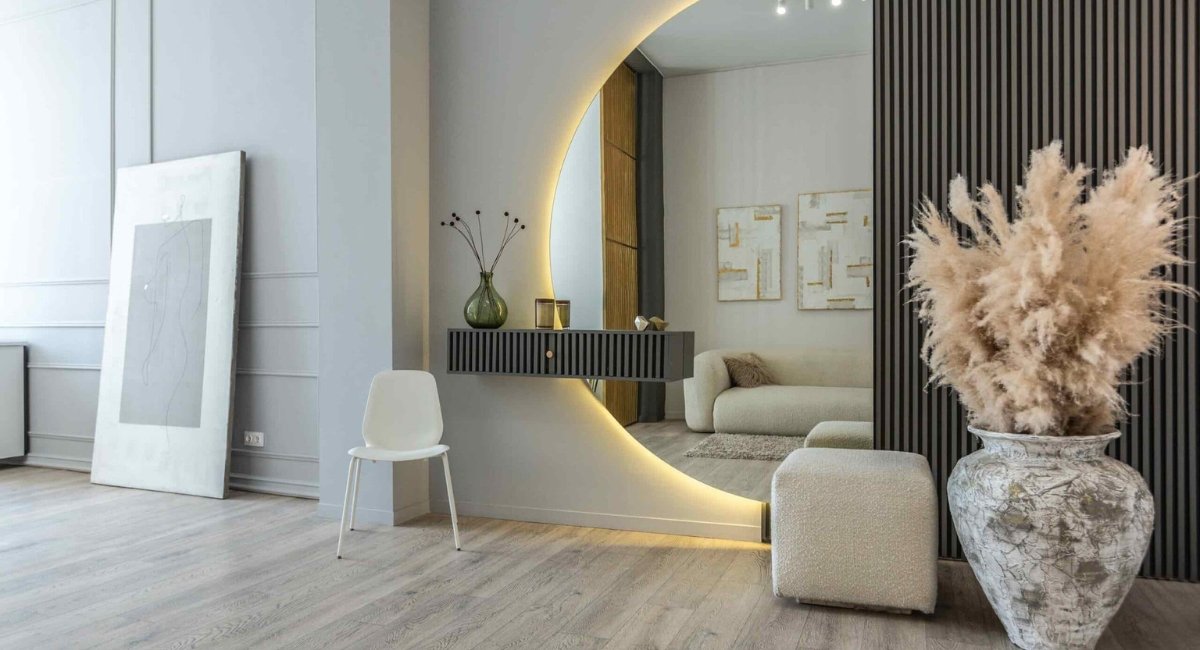
Do mirrors make a small living room look bigger?
Yes. Mirrors reflect light and create the visual feeling of a larger room. They are one of the simplest decorating tricks used in interior design.
Place a large mirror:
Opposite a window to reflect natural light
Behind a sofa as a statement piece
On a narrow wall to add depth
A full-length mirror or oversized wall mirror can make a small apartment living room feel brighter and more open.
For best results, choose mirrors with simple frames that match your existing decor style.
3. Use Light Colors to Open Up the Room
What colors work best for small living rooms?
Light and neutral colors usually make small spaces appear larger because they reflect more light.
Popular choices include:
Soft white
Beige
Light gray
Cream
Pastel shades
A monochromatic color scheme, where different shades of the same color are used together, can also create a smooth and spacious appearance.
However, small living rooms do not have to be completely white. Adding darker accents through pillows, artwork, or rugs can create personality without overwhelming the room.
4. Add Multifunctional Furniture
What furniture is best for a small living room?
Multifunctional furniture helps maximize limited space by serving more than one purpose.
Examples include:
| Furniture | Extra Benefit |
|---|---|
| Storage ottoman | Seating + hidden storage |
| Sofa bed | Seating + sleeping area |
| Nesting tables | Flexible surface space |
| Storage coffee table | Organization + decoration |
| Folding chairs | Extra seating when needed |
This approach is especially useful for apartment living rooms where every square foot matters.
A small home does not need more furniture. It needs smarter furniture.
5. Use Vertical Space for Storage
Many people focus only on floor space and forget about walls.
Vertical storage helps keep your living room organized while saving valuable floor area.
Consider:
Floating shelves
Tall bookcases
Wall-mounted cabinets
Hanging plants
Vertical artwork
A tall bookshelf draws the eye upward, making the ceiling appear higher.
This is one of the most practical small space interior design techniques because it combines decoration and organization.
6. Improve Lighting With Multiple Sources
Why is lighting important in a small living room?
Good lighting can completely change the mood and appearance of a small room. A dark space often feels smaller, while a bright room feels more open.
Instead of relying only on one ceiling light, combine different lighting sources:
Floor lamps
Table lamps
Wall sconces
Natural window light
LED lighting
Layered lighting creates depth and makes the room feel more professionally designed.
For renters, plug-in wall lights and stylish lamps are easy alternatives that do not require permanent changes.
7. Keep Decorations Simple and Intentional
How many decorations should a small living room have?
A small living room benefits from fewer but more meaningful decorations.
Avoid filling every space with accessories. Too many items can create visual clutter.
Instead, focus on:
One statement artwork
A few decorative pillows
A stylish rug
Indoor plants
Simple shelves
Minimalist living room design does not mean boring. It means choosing pieces that have purpose.
A single large piece of artwork can often make a stronger impact than many small decorations.
8. Create a Smart Furniture Layout
What is the best layout for a small living room?
The best layout depends on your room shape, but some general rules work well:
Keep pathways clear
Avoid pushing all furniture against walls
Use rugs to define areas
Place seating around a central point
For example, in a small rectangular living room, placing a sofa against the longest wall and adding a compact chair opposite it can create balance.
An organized layout makes the room easier to use and visually larger.
9. Add Rugs to Define the Space
A properly sized rug can make a small living room feel more complete.
Many people choose rugs that are too small, which can make the room look disconnected.
A good rug should:
Fit under the front legs of furniture
Match the room colors
Add texture without overwhelming the space
Light-colored rugs with simple patterns can make the room feel larger while adding warmth.
10. Bring Nature Inside With Plants
Plants are an affordable way to add life and personality to a small living room.
Good options for smaller spaces include:
Snake plants
Pothos
Small indoor trees
Hanging plants
Succulents
Plants improve the visual quality of a room by adding natural colors and texture.
If floor space is limited, use hanging planters or wall-mounted plant holders.
Small Living Room Decorating Mistakes to Avoid
Even good decorating ideas can fail when common mistakes are made.
1. Choosing oversized furniture
Large furniture can make movement difficult and create a crowded appearance.
2. Poor lighting choices
A single dim light source can make a room feel smaller.
3. Too much clutter
Excess decorations, cables, and unnecessary items reduce visual space.
4. Ignoring storage
Without proper storage, even a beautifully decorated room can quickly become messy.
5. Using too many colors
Too many competing colors can make a small room feel chaotic.
Small Living Room Decorating Ideas for Apartments
Apartment living rooms often require creative solutions because space is limited.
Some effective apartment decorating ideas include:
Using furniture with storage
Adding removable wallpaper
Choosing lightweight furniture
Using curtains close to the ceiling
Creating small functional zones
For example, one corner can become a reading area while another section works as an entertainment zone.
Budget-Friendly Ways to Decorate a Small Living Room
You do not need a large budget to improve your space.
Affordable upgrades include:
Changing pillow covers
Adding a new rug
Installing floating shelves
Rearranging furniture
Adding plants
Updating lighting fixtures
Small changes can create a noticeable difference when they are planned carefully.
Key Takeaways
Small living rooms can look stylish and spacious with smart planning.
Choose furniture that matches your room size.
Use mirrors and lighting to create openness.
Multifunctional furniture saves valuable space.
Vertical storage keeps the room organized.
Neutral colors help create a brighter appearance.
Avoid clutter and focus on intentional decoration.
Good layouts improve both comfort and functionality.
Frequently Asked Questions
How can I make my small living room look bigger?
Use light colors, mirrors, proper lighting, and furniture with visible legs. Keeping pathways open and reducing unnecessary clutter also helps create a more spacious appearance.
What sofa is best for a small living room?
A compact sofa, loveseat, or apartment-sized couch is usually better than a large sectional. Choose a design that provides comfort without taking over the entire room.
Should I put a coffee table in a small living room?
Yes, but choose a smaller option. Nesting tables, round coffee tables, or storage ottomans can provide functionality without making the room feel crowded.
What colors make a small living room look larger?
Soft white, beige, light gray, and pastel colors usually make rooms feel brighter and more open. You can add darker accents through accessories.
How do I decorate a small living room on a budget?
Focus on affordable updates like rearranging furniture, adding plants, changing textiles, improving lighting, and using wall storage.
Are minimalist designs good for small living rooms?
Yes. Minimalist designs work well because they focus on functionality, clean lines, and fewer unnecessary items.
How do I add storage without taking floor space?
Use floating shelves, tall cabinets, wall-mounted storage, and multifunctional furniture to maximize available space.
Conclusion
Creating a comfortable and stylish small living room is about making thoughtful choices rather than filling the space with more items. The right furniture size, smart storage, balanced colors, and proper lighting can completely transform how your room feels.
These 10 small living room decorating ideas can help homeowners and renters create a space that feels practical, welcoming, and visually larger.
If you need help planning your living room design, choosing furniture, or creating a personalized home decor plan, working with an interior design professional can help you achieve a layout that matches your lifestyle and budget. A well-designed small space can become one of the most enjoyable areas of your home.
external-source:
1. Link: Small Space Furniture Selection


4 thoughts on “10 Brilliant Small Living Room Decorating Ideas to Maximize Space”