
How to Improve Home Insulation: Complete Guide
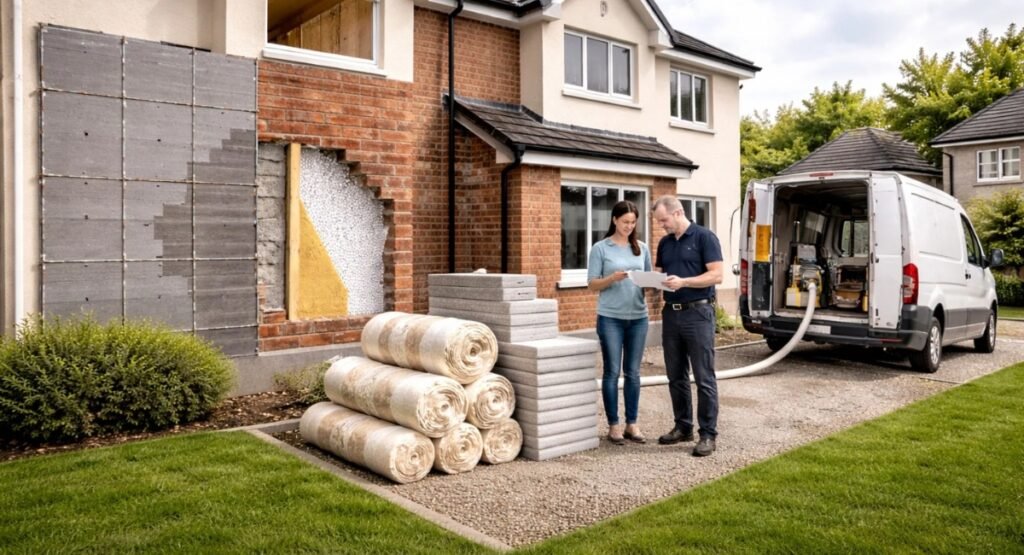
How to Improve Home Insulation: A Complete Homeowner’s Guide
Quick Answer
Improving home insulation means adding or upgrading materials that slow heat transfer between your indoor space and the outside environment. The most effective improvements include insulating your attic, sealing air leaks, upgrading walls and floors, choosing suitable insulation materials, and improving energy efficiency throughout your home.
Introduction: Why Improving Home Insulation Matters
A comfortable home is not only about having a powerful heating or cooling system. If your house has poor insulation, conditioned air escapes easily, forcing your HVAC system to work harder and increasing your energy costs.
Many homeowners notice problems such as cold rooms in winter, overheating spaces during summer, uneven temperatures, and rising utility bills. These issues are often linked to insufficient insulation or air leakage.
Learning how to improve home insulation can help you create a more comfortable living environment while reducing unnecessary energy consumption. Whether you own an older property or a newly built home, insulation upgrades can make a noticeable difference.
According to the U.S. Department of Energy, proper insulation and air sealing are important parts of improving residential energy efficiency.
What Is Home Insulation and How Does It Work?
Home insulation is a material installed in walls, ceilings, floors, and other areas of a building to reduce heat movement.
Heat naturally moves from warmer areas to cooler areas. During winter, heat escapes from your warm home to the cold outdoors. During summer, outdoor heat enters your cooled home.
Insulation slows this process by creating resistance to heat flow.
The effectiveness of insulation is measured by R-value. A higher R-value means better resistance against heat transfer.
Common insulation materials include:
Fiberglass batts
Spray foam insulation
Cellulose insulation
Mineral wool
Rigid foam boards
Reflective insulation
How Can You Improve Home Insulation?
1. Upgrade Your Attic Insulation
The attic is one of the most important areas to insulate because heat rises naturally.
Poor attic insulation can cause:
Higher heating costs in winter
Excessive indoor heat during summer
HVAC systems running longer
Temperature imbalance between rooms
Adding insulation to your attic is often one of the most cost-effective home improvements.
Common attic insulation options include:
| Insulation Type | Benefits |
|---|---|
| Fiberglass | Affordable and widely available |
| Spray foam | Excellent air sealing ability |
| Cellulose | Made from recycled materials |
| Mineral wool | Fire-resistant and durable |
Before adding new insulation, homeowners should check existing insulation depth, moisture problems, and ventilation.
2. Seal Air Leaks Before Adding Insulation
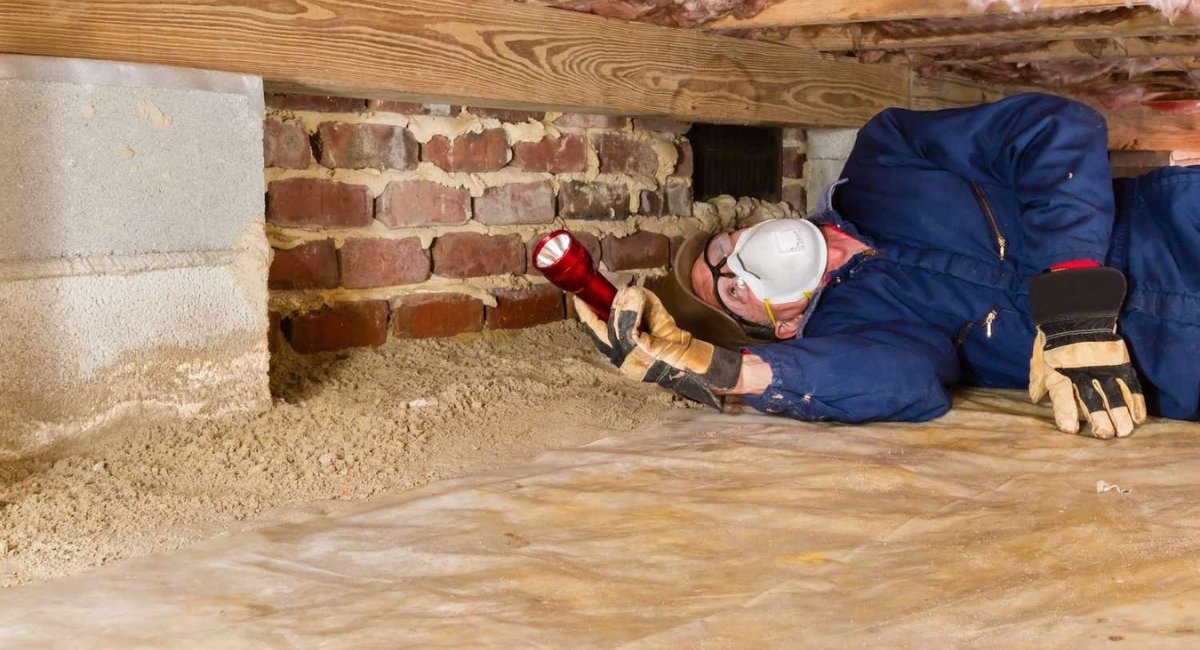
Insulation works best when combined with proper air sealing.
Small gaps around windows, doors, pipes, electrical outlets, and vents allow conditioned air to escape.
Common air leakage areas include:
Attic access doors
Window frames
Door openings
Plumbing penetrations
Electrical boxes
Basement areas
Useful solutions include:
Weatherstripping
Caulking
Spray foam sealants
Door sweeps
Air sealing is often overlooked, but it can improve insulation performance significantly.
3. Improve Wall Insulation
Walls can account for major heat loss, especially in older homes.
The best approach depends on your home’s construction.
Options include:
Blown-In Insulation
Small insulation particles are injected into wall cavities. This method is useful for existing homes because it usually requires fewer renovations.
Spray Foam Insulation
Spray foam expands and fills gaps, creating both insulation and air sealing benefits.
Exterior Insulation
Adding insulation outside the wall structure can improve thermal performance during major renovations.
4. Insulate Floors and Crawl Spaces
Cold floors are a common complaint among homeowners.
Floor insulation helps:
Maintain consistent indoor temperatures
Reduce drafts
Improve comfort
Prevent heat loss through lower areas
Homes with crawl spaces should also consider:
Crawl space insulation
Moisture control
Vapor barriers
Ignoring moisture problems before insulating can create future issues.
5. Choose the Right Insulation Material
The best insulation depends on your location, budget, and home structure.
Fiberglass Insulation
Advantages:
Affordable
Easy to install
Commonly available
Limitations:
Requires proper installation
Less effective when compressed
Spray Foam Insulation
Advantages:
Creates strong air barriers
Works well around irregular spaces
High insulating performance
Limitations:
Higher upfront cost
Usually requires professional installation
Cellulose Insulation
Advantages:
Environmentally friendly
Good coverage for existing walls
Limitations:
Can absorb moisture if poorly installed
What Are the Signs Your Home Needs Better Insulation?
Your home may need insulation improvements if you notice:
Rooms with different temperatures
High electricity or gas bills
Drafts near windows and doors
Ice buildup on roof edges during winter
HVAC system running constantly
Cold floors
Hot upstairs rooms
Older homes built before modern energy standards often require insulation upgrades.
How Much Does Home Insulation Improvement Cost?
The cost depends on:
Home size
Insulation type
Existing insulation condition
Labor costs
Location
Typical factors include:
| Project | Cost Consideration |
|---|---|
| Attic insulation | Usually lower-cost compared with full-home upgrades |
| Wall insulation | Depends on access and construction |
| Spray foam | Higher material cost |
| Crawl space insulation | Depends on moisture conditions |
Homeowners should compare long-term energy savings with upfront installation costs.
DIY vs Professional Insulation Installation
Can You Improve Home Insulation Yourself?
Some insulation improvements are suitable for DIY projects.
DIY-friendly tasks include:
Adding weatherstripping
Sealing small air gaps
Installing door sweeps
Adding attic insulation in accessible areas
However, professional help may be better for:
Spray foam installation
Wall cavity insulation
Large insulation projects
Homes with moisture problems
A professional energy audit can identify the areas causing the biggest energy losses.
Common Home Insulation Mistakes to Avoid
Installing Insulation Without Fixing Moisture Problems
Moisture can damage insulation and create mould risks.
Ignoring Air Sealing
Adding insulation without sealing leaks reduces effectiveness.
Choosing the Wrong Material
Different homes require different insulation solutions.
Blocking Ventilation
Attic ventilation should remain functional to prevent moisture buildup.
Compressing Insulation
Compressed insulation loses performance because it reduces trapped air spaces.
How to Make Your Home More Energy Efficient Beyond Insulation
Insulation works best as part of a complete energy-efficiency strategy.
Additional improvements include:
Installing energy-efficient windows
Maintaining HVAC systems
Using smart thermostats
Improving ventilation
Upgrading weather seals
Choosing ENERGY STAR certified products
These improvements can work together to create a more efficient home.
Key Takeaways
Good insulation helps control indoor temperatures and reduce energy waste.
Attics, walls, floors, and air leaks are the most important areas to inspect.
The right insulation material depends on your home structure and budget.
Air sealing should be completed before major insulation upgrades.
Professional assessments can help identify the most valuable improvements.
Insulation upgrades improve comfort but should be planned carefully.
Frequently Asked Questions
How can I improve home insulation without removing walls?
You can improve insulation without major renovations by adding attic insulation, sealing air leaks, installing weatherstripping, and using blown-in insulation for existing wall cavities.
What is the best insulation material for a house?
The best insulation depends on your climate, budget, and home design. Fiberglass is affordable, spray foam provides excellent sealing, and cellulose is a popular eco-friendly option.
Does insulation reduce energy bills?
Yes, effective insulation can reduce heating and cooling demand by slowing heat transfer. The actual savings depend on your home’s condition, climate, and energy usage.
How do I know if my attic needs more insulation?
Signs include high energy bills, uneven temperatures, visible roof heat loss, and insufficient insulation depth. A professional inspection can confirm whether an upgrade is needed.
Is spray foam insulation worth the cost?
Spray foam can provide strong insulation and air sealing benefits, but it usually costs more than traditional options. Homeowners should compare upfront costs with expected long-term benefits.
Should I insulate walls or attic first?
In many homes, attic insulation provides one of the highest-impact improvements because heat loss through the roof area can be significant. However, every home should be evaluated individually.
Internal Link Opportunities
10 Brilliant Small Living Room Decorating Ideas to Maximize Space
- 10 Lowe’s Home Improvement Ideas for Every Home
External Authority Link Opportunities
Recommended trustworthy sources:
U.S. Department of Energy (DOE) – Home insulation and energy efficiency guidance
Environmental Protection Agency (EPA) – Indoor air quality and home improvement information
Building America Solution Center – Building science resources
Conclusion
Improving your home’s insulation is one of the most practical ways to increase comfort, manage indoor temperatures, and improve energy efficiency. The best results usually come from combining insulation upgrades with proper air sealing and other energy-saving improvements.
Start by checking your attic, identifying air leaks, and understanding your home’s specific needs. For larger projects, working with qualified insulation professionals can help ensure the materials are installed correctly and deliver lasting performance.




3 thoughts on “How to Improve Home Insulation: Complete Guide”