
10 Best Hiking Trails in the USA: Epic Trails Every Hiker Should Explore

10 Best Hiking Trails in the USA
Introduction
If you are looking for a place to find some of the best hiking trails in the USA, then you have come to the right place. The USA is filled with a beautiful and vast number of landscapes ranging from impressive, towering mountain peaks to dense forests and coastlines. Because of this, no matter if you are a beginner looking for an easy day hike or an experienced adventurer looking for a trail of more difficult hikes, the United States has a hike for you.
The USA also has some of the most famous National Parks in the world, and many of these Parks contain some of the most beautiful hiking trails. There are hiking trails such as Angels Landing, Half Dome, Bright Angel Trail, and The Narrows, all of which bring in thousands of hikers every year due to their beautiful hiking scenery.
It is hard to determine which hiking trails are best, since the USA contains thousands of beautiful routes, but the 10 trails listed below are the best in terms of scenic beauty, adventure, and hiking experience.
Before any hike, always check the latest conditions for the weather and the trails, along with closures, required permits, and rules and regulations of the parks. Difficulty can also change with the season and based on your personal experience.
Angels Landing — Zion National Park, Utah
Difficulty: Strenuous
Best for: Extreme hikers and view lovers
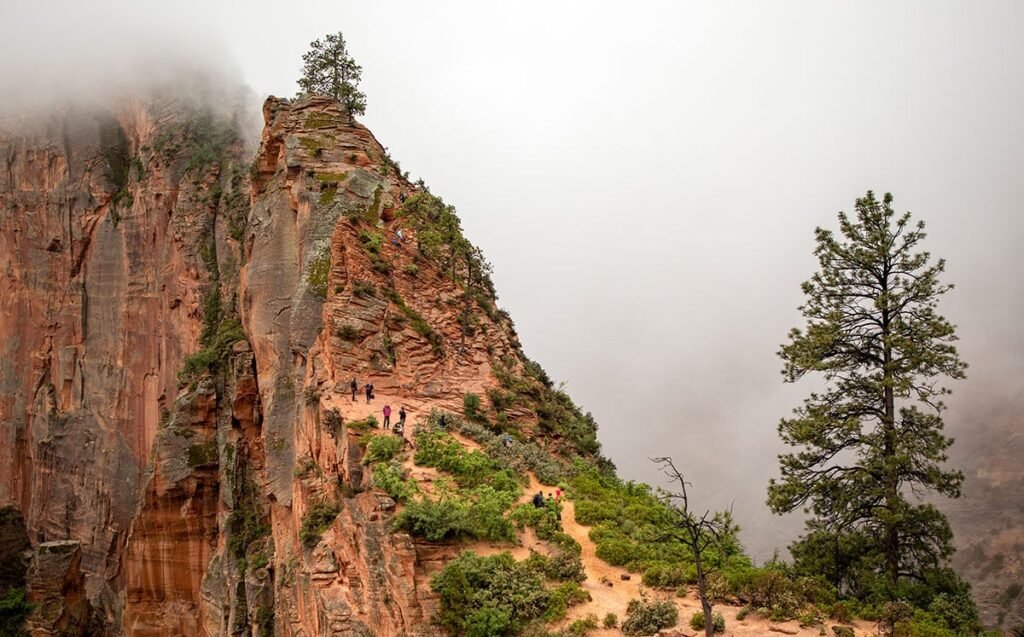
Angels Landing can definitely be considered one of the most extreme hiking trails in the USA. Located in Utah’s Zion National Park, this insane Trail contains lots of steep hiking with narrow ridges and sandstone cliffs, which provide amazing panoramic views of the Zion Sandstone Cliffs.
The Trail starts in the canyon and makes its way up to Scout Lookout. The last part is the hardest because of steep, exposed, rocky, and difficult terrain. Because of this, and to assist hikers on the ridge, chains have been placed along sections of the Trail.
Looking from up top, the views are astounding. Below, Zion Canyon sits, enclosed by large cliffs of red and cream colors. The combination of height and scenery, along with the physical strain of the hike, is what makes this Trail a favorite and a must-do for many.
This hike is not for everyone. Hikers should be comfortable with heights and should not hike during bad weather.
A permit is required to continue on to Angels Landing from Scout Lookout, so plan accordingly and check the most up-to-date guidelines on your trip.
Why hike Angels Landing?
It combines the elements of a very adventurous hike and offers amusement and great views, which is why it is one of the must-dos of the hiking spots within the National Parks.
Bright Angel Trail – Grand Canyon National Park, Arizona

Bright Angel Trail – Grand Canyon National Park, Arizona
Difficulty: Strenuous
Best for: Canyon views and a challenging hike
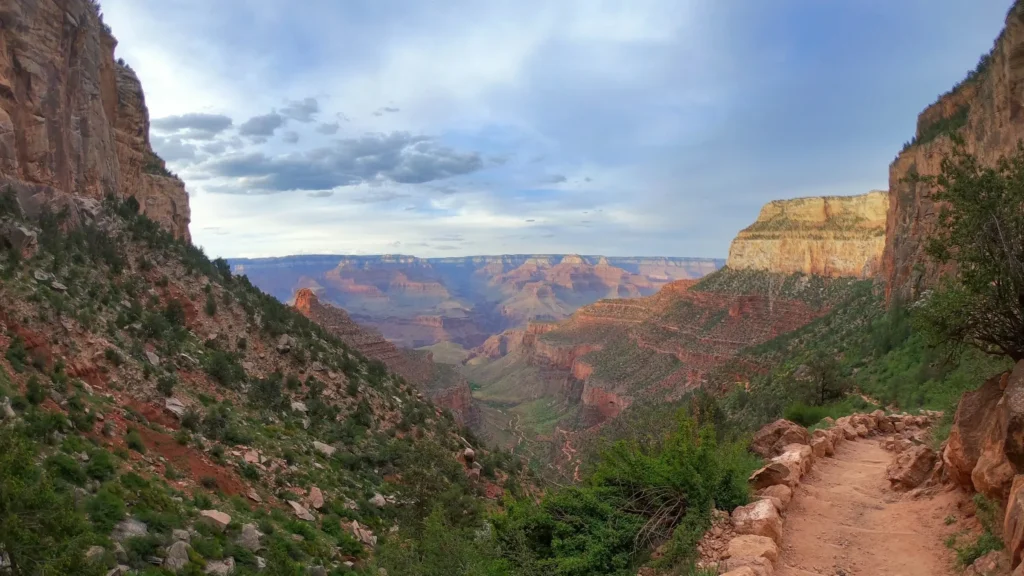
The Grand Canyon is one of the stunning landmarks in America, and seeing it from inside the canyon is a once-in-a-lifetime experience, especially on the Bright Angel Trail.
This Trail starts around the Grand Canyon Village and provides views that are constantly changing as you hike. Unlike the views from the canyon’s rim, hiking Bright Angel Trail gives you a small and once-in-a-lifetime view of the grandeur of the canyon from within its walls.
One of the most common errors novice hikers make is not planning properly for the return journey. Although it may seem easy to descend then gradually climb back to the rim, it is an exhausting and lengthy ascent.
Hikers need to assess their personal level of fitness, the weather, available sunlight, and water for planning their turning point. It is important to note that canyon temperatures may be significantly hotter than the rim temperatures.
The Bright Angel Trail is a great option for either an exciting short hike or a longer and more adventurous backcountry hike.
Why hike the Bright Angel Trail?
Hiking the Bright Angel Trail grants you the ability to experience an incredible natural wonder and hike deep into the Grand Canyon.
Half Dome — Yosemite National Park, California

Half Dome — Yosemite National Park, California
Difficulty: Very strenuous
Best for: Experienced hikers and bucket-list adventures
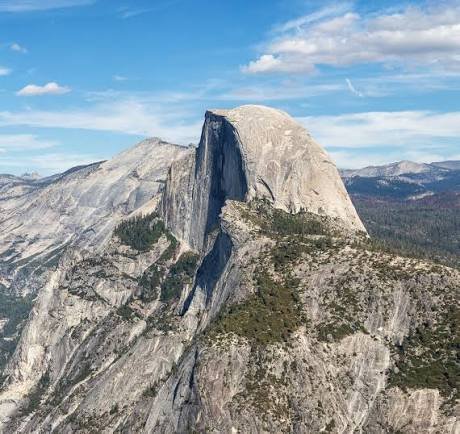
Half Dome is an iconic rock formation in North America. Located in Yosemite National Park, it rises sharply and vertically from the Rest of the Valley and attracts thousands of hikers each year.
The base-to-summit hike spans a large distance and is extremely exhausting. Hikers travel through forested land dotted with granite boulders and landscapes before making the final climb using cables up a steep and exposed granite face.
The views once reaching the summit of the Valley, surrounding peaks, and the Rest of the Sierra Basin are stunning; however, it is rextremely important to be well prepared for this hike.
You will also need to obtain a permit for this section of the hike on the days it is allowed. One of the biggest factors to assess is the weather; it is very dangerous to be exposed to the elements during a thunderstorm when the cables up the summit are the only thing you are holding on to.
Hikers need to set out early, carry enough provisions, and factor in the time it takes to traverse the entire route and return.
Why hike Half Dome?
Reaching a prominent feature of the American landscape rewards your effort and showcases your physical endurance and the sight of exceptional scenery.
The Narrows — Zion National Park, Utah
Difficulty: Moderate to Strenuous
Best for: Adventure and Scenic Beauty
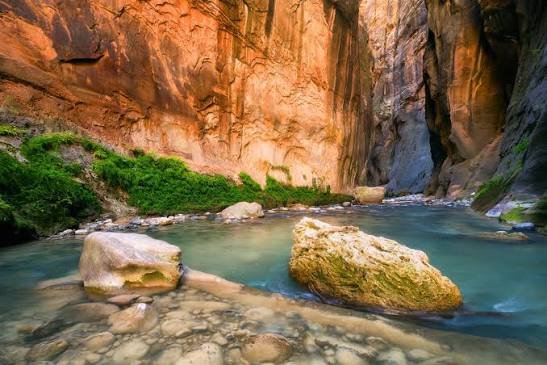
This hike is one of the most unique hiking opportunities in the country, and for good reason. Unlike the many trails that follow a path, the route through Zion National Park’s Narrows is carved by the Virgin River and continues through massive walls of eroded sandstone.
As the river winds through the canyon, it creates both a challenging and refreshing hiking environment. The river also sculpts the walls of the canyon and provides the opportunity to see some of the play of sunlight on the walls.
One of the most important factors to consider is the hiking environment. Since a large portion of the route requires hiking through the water, this has to be considered when selecting the appropriate gear. Trekking poles, dry bags, and the right shoes and clothing help improve the experience and accommodate the hiking environment.
Flash floods are a hazard peculiar to canyon environments, and so are of particular concern for this hike. Always check for park warnings and weather updates before hiking the route.
Difficulty of the route is subjective and dependent on the distance traveled along the route and the water conditions during the time of the hike.
Why hike The Narrows?
Finding another hiking opportunity that combines all of these individual elements isn’t very likely.
Highline Trail — Glacier National Park, Montana

Highline Trail — Glacier National Park, Montana
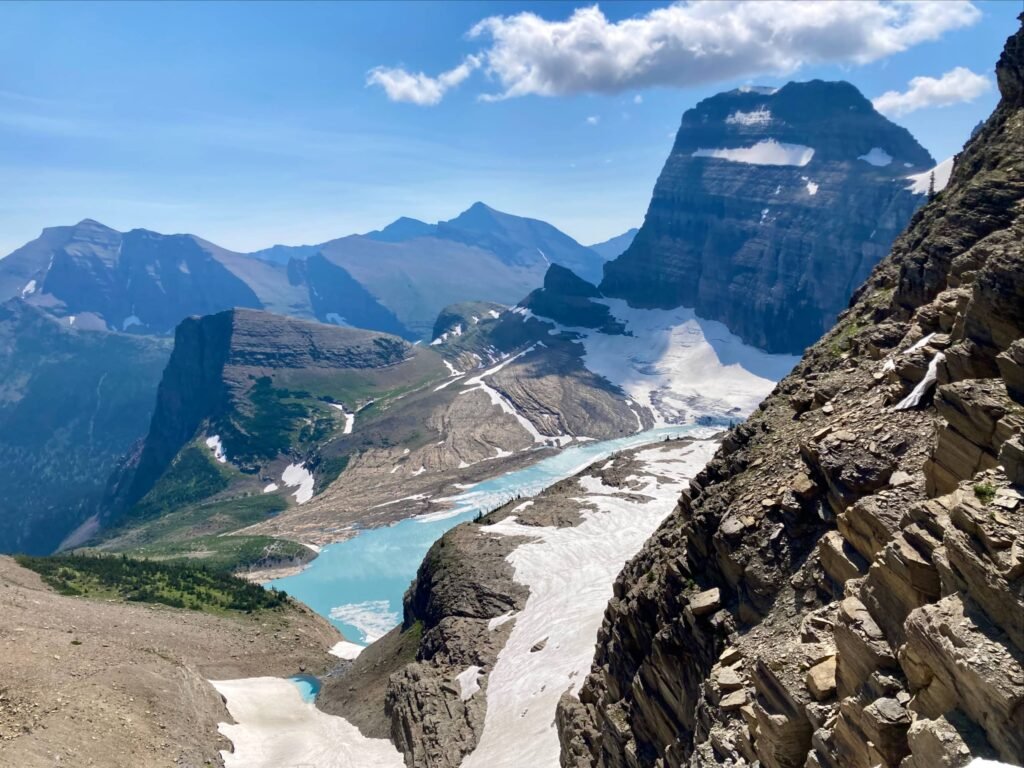
Difficulty: Moderate to strenuous
Best for: Alpine scenery and mountain views
Situated in Northwest Montana, Glacier National Park offers the perfect mix of beautiful mountains and glaciers, alpine meadows, lakes, and wild animals. The Highline Trail is a great way to view some of this epic land.
Built along the slope of the Continental Divide, the Highline Trail offers stunning views of the mountains and valleys. In the summer, the Trail is surrounded by colorful wildflowers in the alpine meadows.
Mountain goats, bighorn sheep, and a variety of other park wildlife can be found along this Trail. Please be sure to follow park guidelines by keeping a safe distance from all animals.
The Highline Trail is a great hiking trail to customize your hiking experience. While some visitors prefer to hike a shorter section of the Trail, others prefer to hike it along with some other connecting trails.
Mountain weather is unpredictable and changes rapidly. Even on nice hiking days, be prepared and pack extra warm layers and rain gear.
Why hike the Highline Trail?
Rocky Mountain scenery can be enjoyed from the Highline Trail easily and without the risk of mountain climbing.
Clouds Rest — Yosemite National Park, CaliforniaDifficulty: Hard
Clouds Rest — Yosemite National Park, CaliforniaDifficulty: Hard
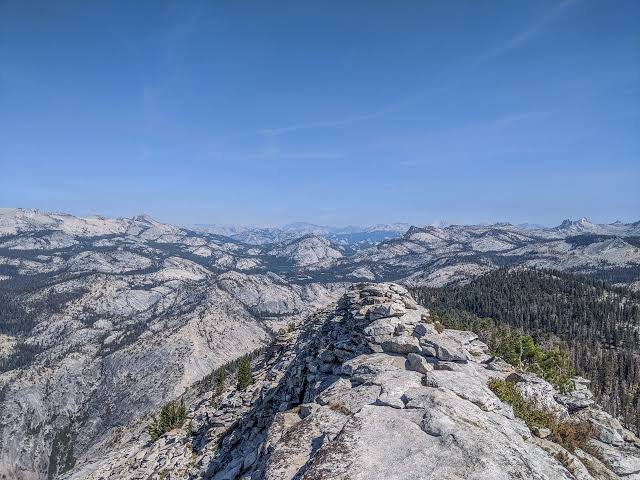
Best for: Panoramic mountain views
With an extensive and impressive set of hiking trails, Yosemite National Park has no shortage of amazing hiking. But for gorgeous hiking with 360-degree mountain views, Clouds Rest takes the cake.
While most of the hike is through forest and alpine climbing terrain, the last stretch takes you to a high granite peak. Here you have unobstructed views for miles of the entire Yosemite Valley and the famous Half Dome as well as all the peaks of the Sierra Nevada.
Clouds Rest offers an alternative view of Yosemite compared to Half Dome. Rather than seeing the expanse of Yosemite from Half Dome’s vantage point, visitors to Clouds Rest see Half Dome and the Rest of the Yosemite Mountains.
Clouds Rest is a lengthy, strenuous hike with a lot of elevation gain and is recommended only for hikers with a high level of fitness and experience hiking in the mountains for an entire day.
The high elevation regions along the Trail to Clouds Rest may still have lingering snow during the early hiking season. Always check the conditions before the hike.
Why hike Clouds Rest?
Of all the Yosemite Peaks, Clouds Rest is one of the best for having epic views and offering a truly rewarding hiking experience.
Grinnell Glacier Trail — Glacier National Park, Montana
Grinnell Glacier Trail — Glacier National Park, Montana
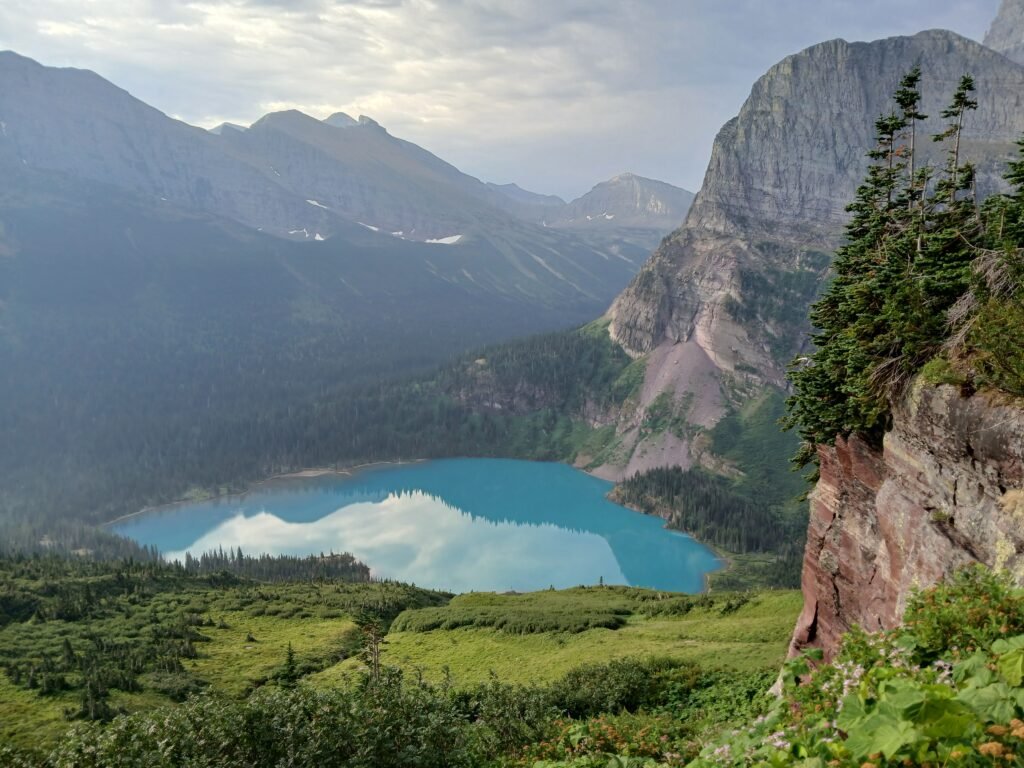
Difficulty: Strenuous
Best for: Glaciers, lakes, and alpine scenery
Another National Park offering a great hiking experience is Glacier National Park with its Grinnell Glacier Trail. This Trail also offers views of glacial aquamarine lakes, towering mountain peaks, and expansive alpine meadows.
As you hike closer and closer to Grinnell Glacier, the views continue to change. This Trail is surrounded by mountains, and in the warmer summer months you may see wildflowers along the Trail.
Along the Grinnell Glacier path, you also have the chance to see different wildlife in the alpine environment.
This hike should be planned well, and ample sustenance and appropriate footwear are recommended. You also should plan to be off the Trail before it gets dark.
Expect the conditions to change as you gain elevation.
Why Grinnell Glacier Trail?
This hike in particular offers unparalleled Glacier National Park and Rocky Mountain hiking views.
Precipice Trail – Acadia National Park, Maine

Precipice Trail – Acadia National Park, Maine
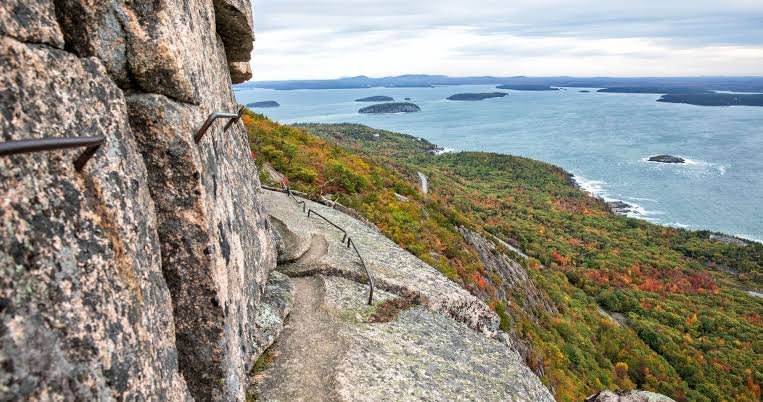
Difficulty: Strenuous
Best for: Adventurous hikers and those seeking coastal views
The hiking trails of Acadia are distinct from the hiking trails found in the mountain national parks of the Western United States. Located in the coastal region of Maine, Acadia offers an excellent combination of forests, granite mountain hiking, lakes, and beautiful views of the Atlantic Ocean.
The Precipice Trail offers one of the more adventurous hiking routes in the park. The Trail has steep rock face sections, iron rungs and ladders, and exposed sections. Hikers may find that parts of the route require the use of hands to ascend.
In addition to the adventurous route, the Trail gives beautiful views all the way across Mount Desert Island and the surrounding coastline.
The Precipice Trail should be avoided in wet, icy, or otherwise dangerous hiking conditions, as previously described sections of the Trail may be exposed and become hazardous.
All of the alternative trails of Acadia should be considered by those uncomfortable in exposed heights.
Why hike the Precipice Trail?
The Precipice Trail offers exposed sections of a climbing route as well as beautiful coastal views.
Skyline Trail – Mt. Rainier National Park, Washington
Skyline Trail – Mt. Rainier National Park, Washington
Difficulty: Moderate to Strenuous
Best for: Scenic mountain views and wildflowers
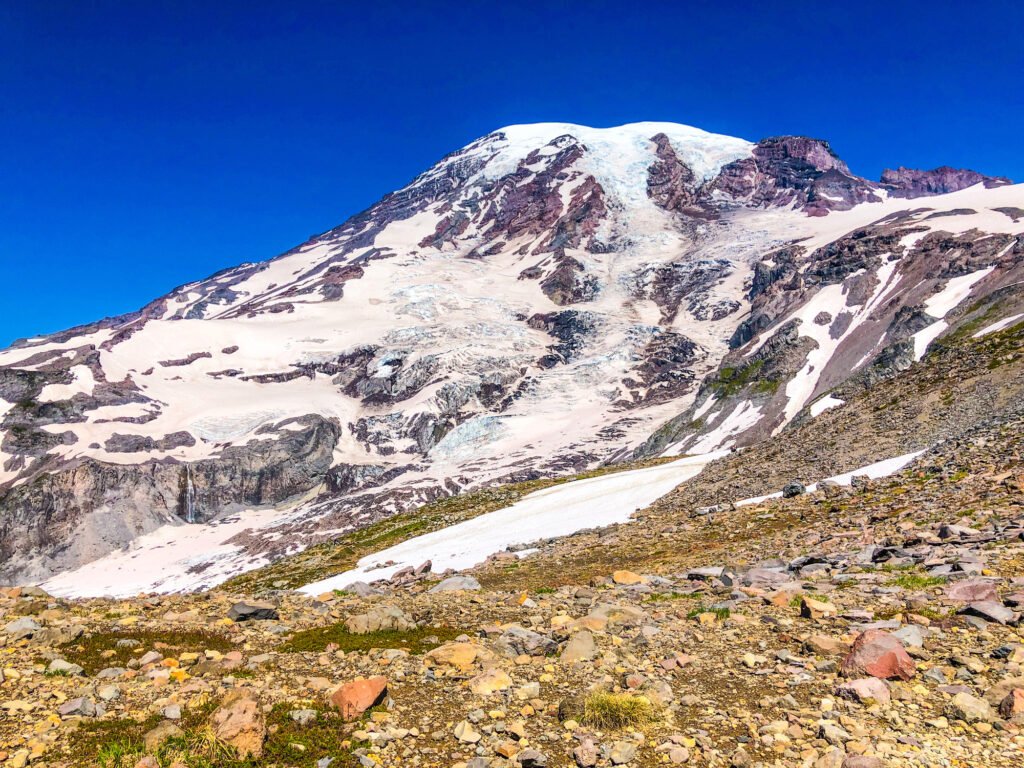
Mt. Rainier is one of the iconic mountain peaks that is located in the Pacific Northwest, and the Skyline Trail is a great way to explore the surrounding area.
The Trail begins near Paradise, and hikers are able to enjoy extensive views of Mt. Rainier and the surrounding glaciers, valleys, and mountain peaks.
During the summer, the meadows become an amazing array of colors with the blooming of wildflowers. Other summer days can be excellent for photography with the clear skies.
While many hikers can traverse this Trail, one must consider mountain weather and elevation. Parts of the Trail can still have snow, and weather can change rapidly.
This Trail can be a great option for photographers and nature lovers alike, as the scenery can change frequently along the way.
Choosing Skyline Trail for Hiking
Some of the best scenic viewpoints around Mount Rainier are offered in this Trail.
Queen’s Garden and Navajo Loop — Bryce Canyon National Park, Utah
Queen’s Garden and Navajo Loop — Bryce Canyon National Park, Utah
Difficulty: Moderate
Best for: Families, photographers, and hikers looking for a beginner canyon trail.
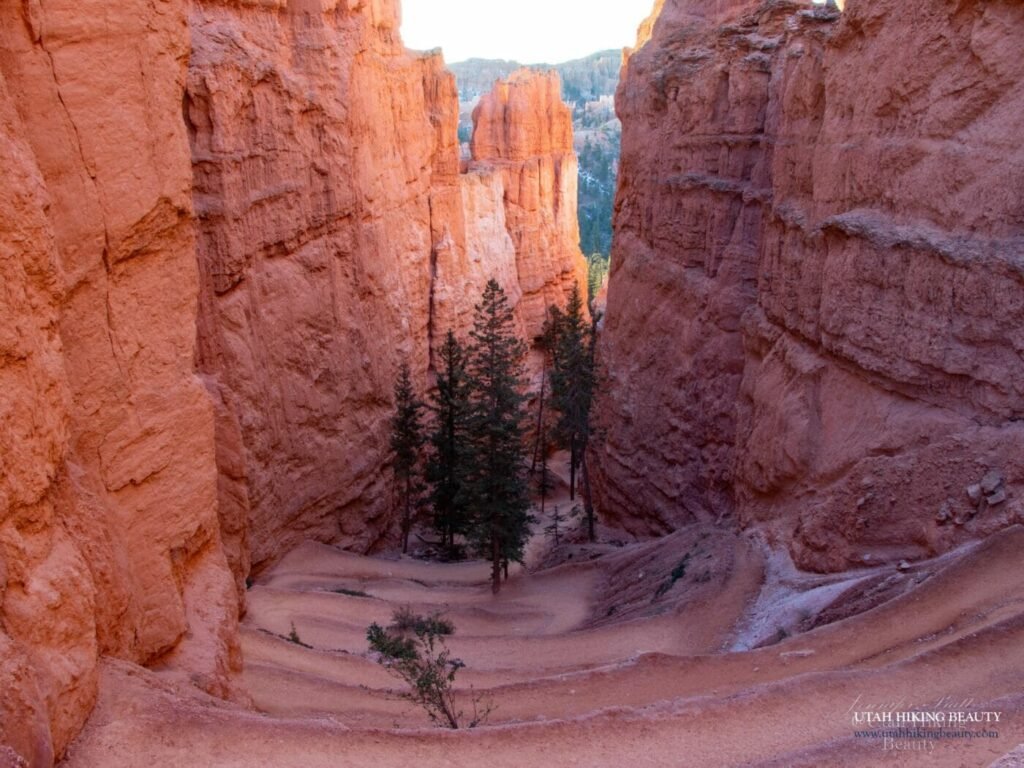
Many travelers looking to hike in national parks will likely have heard of Bryce Canyon National Park and for good reason. Queen’s Garden and Navajo Loop make for a great hike amongst even more breathtaking, highly eroded hoodoo formations.
For those looking to hike amongst the hoodoos instead of simply viewing them from the canyon’s rim, this Trail offers great access and even leads hikers into the canyon’s amphitheater.
The Trail does get steep in sections and does have more of a rigorous climb than some other trails on this list, but less strenuous.
Even better, the layers of hue in the rock formations, as well as the sunlight, play well to provide stunning views in the early hours.
Choosing Queen’s Garden and Navajo Loop for Hiking
The best of Bryce Canyon truly is on this hike, and for those looking to explore it from the rim, it offers a great opportunity to do so while maintaining a high level of accessibility.
What You Need to Know to Find the Best Hiking Trail
Finding the Hiking trail that best suits you can be done by analyzing your own level of fitness, experience, and time constraints, along with the views that you prefer to see along your hike.
Begin with a moderate trail to understand your limits as a beginner hiker. The Queen’s Garden and Navajo Loop Trails offer Introductory Canyon Hiking.
For those who like a challenge, consider Half Dome, Bright Angel Trail, Grinnell Glacier, and Angel’s Landing.
Be sure to pick the right Trail for the time of year, as conditions often change seasonally. Trails with a high elevation may have snow on them outside of the summer, while desert trails may become unreasonably hot during the summer.
Be sure to visit the official National Park Service website for each specific park to get updates on trail conditions, closures, permits, weather, and safety updates.
Important Hiking Gear
The right gear for your hike is imperative for a positive hiking experience. Gear varies by season, weather, the Trail, and distance.
Some essentials include:
Comfortable shoes
Adequate water.
High-energy food.
Sunscreen.
Sunglasses and a hat.
Lightweight, packable rain jacket.
Extra clothing.
Offline maps or a navigation device.
First aid kit.
Light source.
Emergency communication.
Trekking poles, for steep or uneven terrain.
It is a good idea to let someone know your hiking plans to be safe.
Stay safe while hiking.
Although a trail may be popular, it does not mean conditions cannot change, and the Trail become dangerous. Always know the route you are taking.
Be sure to check on trail conditions and weather prior to taking on challenging hikes like those in the mountains or in the desert.
Be mindful of elevation gain, as in may climb may be steep and significantly difficult to accomplish, even if the distance is short.
Bring enough water and food for the entire trip along with emergency provisions. For the hot trails, start in the early morning to avoid the worst of the heat.
Stay on the designated paths and follow the rules established in the park. Never go against a path closure or a warning.
Wild animals also should be respected. Do not feed or come close to any wild animals. Look up wildlife safety for the area you are going before you go.
Always follow the principles of Leave No Trace. Carry out everything you brought in to avoid harming the environment and natural objects.
Best Times to Hike in the US
Different areas have different peak hiking seasons.
For the lower elevation trails, spring is often the best season since snow will have melted, but higher elevation trails will still be covered with snow.
For Glacier, Yosemite, and Mount Rainier, summer is the best season for these high-elevation areas. For the lower elevation trails, summer often brings extreme heat.
With the arrival of fall, many areas, including the Appalachian region, will cool down and bring about a stunning display of foliage.
For the lower elevation and desert trails, fall and winter are often the best seasons to hike, while the higher elevation trails require more preparation and often bring snowy conditions.
Always check the latest conditions. Don’t rely on seasonal weather.
Final Thoughts
The diversity of the American hiking landscape is on display in these 10 hiking trails in the US. From Yosemite to Zion and Mount Rainier to Maine, each area is uniquely beautiful.
Angels Landing and Half Dome are great for thrill seekers. Bright Angel Trail, The Narrows, and Queen’s Garden and Navajo Loop give great views for canyon admirers. You can hike the mountain trails of Clouds Rest, Highline Trail, Grinnell Glacier, and Skyline Trail. For a hike that combines cliffs and coast, you should try the Precipice Trail.
The best hike is the one that suits your interests and abilities the best. Take precautions and stay prepared for what nature has to offer.
Exploring America’s famous hiking trails can be an incredible opportunity for an amazing adventure in the great outdoors.






We’re a group of volunteers and opening a new scheme in our community.
Your web site provided us with valuable information to work on. You’ve done an impressive
job and our whole community will be grateful to you.
Great beat ! I wish to apprentice at the same time as you amend your website,
how can i subscribe for a weblog site? The account aided
me a applicable deal. I were a little bit familiar of this your broadcast offered shiny
transparent idea
Hi there! This post could not be written any better!
Going through this article reminds me of my previous roommate!
He continually kept talking about this. I am going to send this article
to him. Fairly certain he’s going to have a good read. Thank you for sharing!
Pretty! This was an extremely wonderful post.
Thanks for supplying these details.
Does your blog have a contact page? I’m having trouble locating it but,
I’d like to send you an email. I’ve got some creative ideas for your blog you might be interested in hearing.
Either way, great website and I look forward to seeing it develop over time.
Hey there! This is kind of off topic but I need some help from
an established blog. Is it very difficult to set up your own blog?
I’m not very techincal but I can figure things out pretty quick.
I’m thinking about setting up my own but I’m
not sure where to start. Do you have any points or suggestions?
Thank you