
10 Home Improvement Ideas for a Better Home
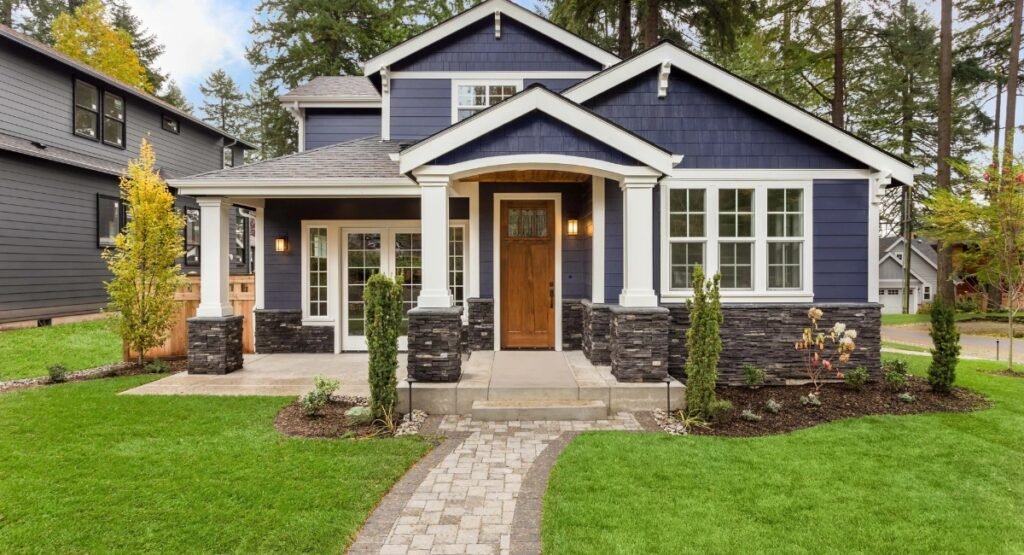
What Are the Best Home Improvement Ideas?
The best home improvement ideas are practical upgrades that improve appearance, comfort, function, or value without requiring a complete renovation. Popular options include painting, updating kitchen cabinets, improving lighting, creating an accent wall, upgrading flooring, refreshing the front door, and improving your home’s exterior and curb appeal.
Introduction: Where Should You Start With Home Improvement?
Improving your home does not always mean spending thousands of dollars on a major home renovation. In many cases, small updates can change how a room looks and feels while making everyday living more comfortable.
Whether you own a suburban house, townhouse, condo, or starter home in the USA, the right home improvement projects can make a noticeable difference. Some projects are easy DIY tasks, while others require professional help.
The key is to focus on improvements that solve a real problem or noticeably enhance your living space.
Here are 10 practical improvement ideas worth considering for your next home project.
1. Give Your Walls a Fresh Coat of Paint
One of the easiest ways to transform a room is with a fresh coat of paint.
Paint can make a small room appear brighter, give an outdated space a modern appearance, or create a completely different atmosphere without changing the furniture.
How to Choose the Right Paint Color
For smaller rooms, lighter neutral shades can help create an open feeling. Warm whites, soft gray, beige, and muted colours are versatile choices.
For larger rooms, you have more flexibility with deeper colours.
Consider using:
- Warm white for a clean appearance
- Soft gray for a contemporary room
- Beige for a warmer atmosphere
- Navy or deep green for an accent
- Light blue for bedrooms or bathrooms
If you’re planning DIY projects, painting is one of the most accessible places to start. However, preparation matters. Clean the walls, repair holes, protect flooring, and use painter’s tape around trim before starting.
2. Update Your Kitchen Cabinets
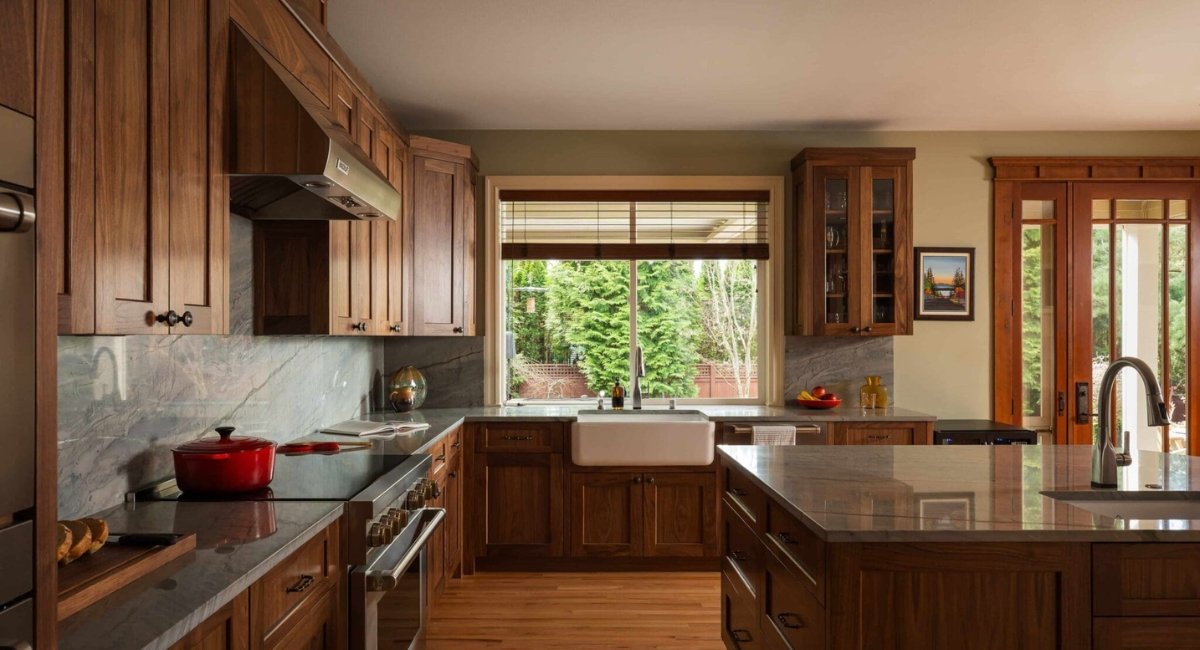
Replacing an entire kitchen can be expensive, but updating kitchen cabinets can provide a noticeable change for considerably less work.
If your cabinet boxes are still in good condition, consider painting or refinishing the doors instead of replacing everything.
Simple Kitchen Cabinet Improvements
Try:
- Painting outdated cabinet doors.
- Replacing old handles and knobs.
- Adding modern hinges.
- Installing under-cabinet lighting.
- Replacing damaged shelves.
- Adding organizers inside cabinets.
New hardware can be surprisingly effective. Black, brushed nickel, brass, and stainless-steel finishes can give an older kitchen a refreshed appearance.
Before starting, check the cabinet material and condition. Some surfaces require special primers or preparation.
3. Upgrade Your Light Fixtures
Lighting affects how a home looks and how comfortable it feels.
Replacing outdated light fixtures is therefore one of the simplest ways to modernize a room.
Consider upgrading:
- Ceiling lights
- Pendant lights
- Dining-room fixtures
- Bathroom lighting
- Bedroom lamps
- Under-cabinet lighting
- Entryway fixtures
Layered lighting can work particularly well. Instead of depending on one ceiling fixture, combine overhead lighting with lamps, task lighting, and accent lighting.
Why Lighting Matters
A well-lit room can feel more functional and welcoming. In kitchens, bright task lighting can make food preparation easier. In living rooms, softer lighting can create a more relaxed atmosphere.
For electrical work that involves new wiring or significant changes, use a qualified professional and follow applicable local codes.
4. Create an Accent Wall
An accent wall is an easy way to add personality without painting an entire room.
Choose one wall and give it a different color, texture, or finish from the surrounding walls.
Popular locations include:
- Behind a bed
- Behind a television
- Dining-room walls
- Home-office walls
- Entryway walls
- Fireplace walls
You can use paint, wallpaper, wood-look panels, or other decorative materials.
The goal is not simply to make a wall different. The accent should support the room’s overall design.
For example, a dark green accent wall can complement neutral furniture, while a warm terracotta shade can add visual warmth to a simple living room.
5. Improve Your Home’s Curb Appeal
Your home’s interior isn’t the only area that deserves attention. Improving your home’s exterior can make the property look more inviting.
This is where curb appeal becomes important.
Simple exterior improvements can include:
- Cleaning the driveway
- Trimming shrubs
- Adding outdoor planters
- Updating house numbers
- Cleaning exterior surfaces
- Improving outdoor lighting
- Refreshing the front porch
- Painting the front door
These projects don’t necessarily require a large budget.
Refresh the Front Door
The front door is one of the most visible features of a home.
A new colour can create a focal point while complementing the exterior. Before painting, make sure the existing surface is clean and suitable for the selected exterior paint.
Don’t forget the hardware. A new door handle, knocker, or house number can complete the update.
6. Refresh Your Flooring
Flooring has a major visual effect because it covers a large portion of the home.
If you already have a quality hardwood floor, restoring or refinishing it may be preferable to replacing it.
For homes with worn carpet or outdated flooring, alternatives can include:
| Flooring Type | Best For |
|---|---|
| Hardwood | Long-term classic appearance |
| Luxury vinyl | Durability and easy maintenance |
| Laminate | Budget-conscious updates |
| Tile | Kitchens, bathrooms, and entryways |
| Carpet | Bedrooms and comfortable living areas |
The right flooring depends on your lifestyle, budget, climate, pets, children, and maintenance preferences.
Don’t choose flooring based on appearance alone. Consider moisture resistance, durability, cleaning requirements, and installation conditions.
7. Improve Storage and Organization
Sometimes the best home improvement is not something visitors immediately notice.
Better storage can make your living space more functional and reduce everyday clutter.
Useful improvements include:
- Closet organizers
- Floating shelves
- Entryway storage
- Under-bed storage
- Pantry organizers
- Bathroom shelving
- Garage storage systems
- Built-in cabinets
Make Small Spaces Work Harder
In smaller homes, vertical storage can be particularly useful.
Instead of using floor space for another cabinet, consider installing shelves higher on the wall. This can increase storage without making the room feel crowded.
Simple organisation is also an affordable DIY home project for many homeowners.
8. Upgrade Your Bathroom
A complete bathroom renovation can be expensive, but you can still make meaningful improvements without removing everything.
Consider:
- Replacing an old vanity
- Updating cabinet hardware
- Installing a new mirror
- Improving lighting
- Replacing faucets
- Re-caulking around tubs and sinks
- Adding storage
- Updating shower fixtures
If there is water damage, persistent leakage, mould, or plumbing problems, address the underlying issue before focusing on appearance.
A cosmetic upgrade should never hide a structural or plumbing problem.
9. Improve Outdoor Living Space
If you have a backyard, patio, balcony, or porch, treat it as an extension of your home.
A comfortable outdoor area can provide additional space for relaxing, dining, and entertaining.
Ideas include:
- Outdoor seating
- A small dining table
- Weather-resistant rugs
- String lighting
- Planters
- Privacy screens
- Shade structures
- Outdoor storage
Even a small patio can become useful with the right furniture arrangement.
For homeowners with limited outdoor space, prioritise flexible furniture and vertical gardening rather than filling the entire area with large items.
10. Make Small Energy-Efficient Improvements
Some of the most useful home improvement projects are upgrades that improve everyday efficiency.
Depending on the home, consider:
- LED lighting
- Programmable or smart thermostats
- Weatherstripping
- Improved insulation
- Energy-efficient windows
- Efficient appliances
- Low-flow plumbing fixtures
The right project depends on the home’s age, condition, climate, and existing systems.
Before making a major efficiency upgrade, identify where your home is actually losing energy. A professional energy assessment can help prioritise improvements instead of spending money on upgrades that provide little practical benefit.
Which Home Improvement Projects Should You Do First?
The best starting point depends on your budget and the condition of your home.
| Budget | Possible Projects |
|---|---|
| Under $100 | Hardware, paint supplies, organization |
| $100–$500 | Light fixtures, paint, landscaping, door hardware |
| $500–$2,000 | Flooring updates, cabinet refinishing, bathroom upgrades |
| $2,000+ | Larger flooring, exterior, kitchen, or renovation projects |
These are broad planning ranges rather than fixed project prices. Labor, materials, location, home size, and contractor rates can significantly change the final cost.
A Practical Priority System
Before spending money, ask:
- Is anything damaged or unsafe?
- Does the project solve an everyday problem?
- Will it improve comfort?
- Does it improve appearance?
- Does it fit the home’s overall style?
- Can I complete it safely myself?
- Would professional installation be more appropriate?
Safety and necessary repairs should generally come before purely cosmetic improvements.
DIY Projects vs. Professional Home Improvement
Not every project should be a DIY project.
Good DIY Candidates
Many homeowners can reasonably tackle:
- Painting
- Basic decorating
- Hardware replacement
- Organization
- Simple landscaping
- Some shelving projects
- Certain flooring installations
Projects Better Suited to Professionals
Consider professional assistance for:
- Electrical rewiring
- Major plumbing
- Structural changes
- Roofing
- Gas-line work
- Major HVAC modifications
- Load-bearing wall removal
- Complex waterproofing
Local permits and building requirements can vary across the USA, so check your local authority before beginning major work.
Common Home Improvement Mistakes to Avoid
Even simple projects can become expensive when planning is skipped.
1. Choosing Appearance Over Function
A beautiful material isn’t necessarily the right material for your household.
2. Ignoring Preparation
Painting, flooring, and cabinet projects often depend heavily on surface preparation.
3. Starting Too Many Projects
Finishing one project properly is usually better than having several unfinished rooms.
4. Forgetting the Budget
Set aside room for unexpected costs, especially during larger renovations.
5. Don’t Forget Maintenance
Choose materials and finishes that you can realistically maintain.
Internal Link Opportunities
For a home-improvement website, naturally connect this article to related content such as:
- 10 Brilliant Small Living Room Decorating Ideas to Maximize Space
- 10 Amazing Living Room Paint Ideas for a Beautiful Home
- 10 Lowe’s Home Improvement Ideas for Every Home
These internal links can help readers discover related topics while creating a clearer topical structure for search engines.
Authoritative External Sources
For additional information, consider linking to authoritative sources such as:
- U.S. Department of Energy for energy-efficiency guidance
- ENERGY STAR for efficient products and home improvements
- U.S. Environmental Protection Agency for indoor-air and home-related guidance
Use external links where they genuinely support the reader rather than adding links simply for SEO.
Key Takeaways
- A home improvement project doesn’t have to be expensive to make a big impact.
- Paint is one of the simplest ways to refresh a room.
- Updating kitchen cabinets can change the appearance of an entire kitchen.
- Better light fixtures can improve both function and atmosphere.
- An updated front door can strengthen curb appeal.
- Flooring upgrades can dramatically change a home’s appearance.
- Storage improvements make everyday living easier.
- Outdoor spaces can become useful extensions of the home.
- Energy-efficient upgrades may improve comfort and reduce energy use.
- Electrical, structural, plumbing, gas, and major renovation work may require qualified professionals.
Frequently Asked Questions
What are the easiest home improvement projects?
Painting, replacing cabinet hardware, changing light fixtures, improving organization, updating door hardware, and refreshing landscaping are among the more accessible projects. Always follow manufacturer instructions and local requirements, particularly when electricity, plumbing, or structural components are involved.
What home improvements add the most value?
The potential value of an improvement depends on the local housing market, property condition, project quality, and buyer expectations. Well-maintained kitchens, bathrooms, flooring, exterior areas, and functional improvements can all contribute to a home’s appeal.
What is the cheapest way to improve a home?
Painting, decluttering, reorganising storage, updating hardware, improving lighting, and refreshing landscaping can often create noticeable changes without the cost of a major renovation.
Should I renovate my kitchen or bathroom first?
Look at condition, functionality, and your household’s needs. If one area has serious maintenance or water issues, address those first. For cosmetic projects, choose the space where the improvement will make the greatest practical difference to your daily routine.
Can I do home improvement projects myself?
Yes, many cosmetic and basic projects can be suitable for DIY homeowners. Painting, decorating, organisation, and some landscaping are common examples. Electrical, structural, gas, roofing, and major plumbing work may require qualified professionals.
How can I improve curb appeal on a budget?
Start with cleaning, landscaping, exterior lighting, house numbers, and the front door. A carefully selected door colour, fresh exterior paint where needed, and well-maintained plants can make a noticeable difference.
How do I choose the right home improvement project?
Start with your home’s biggest functional or maintenance problem. Then consider your budget, available time, skill level, long-term plans, and the project’s effect on comfort and appearance.
Conclusion: Start With One Practical Upgrade
You don’t need to complete an expensive home renovation to create a better home. The smartest approach is often to start with one practical improvement that solves a problem or changes the way you use your space.
A fresh coat of paint, updated kitchen cabinets, improved lighting, better storage, a refreshed front door, or a more functional outdoor area can all make your home feel noticeably different.
Before beginning your next home project, set a realistic budget, research materials, check local requirements, and decide whether the work is appropriate for DIY or professional installation.
For more practical USA-focused home, outdoor living, and smart-home guides, explore the related articles on your website and turn small improvements into a more comfortable, functional home.





2 thoughts on “10 Home Improvement Ideas for a Better Home”